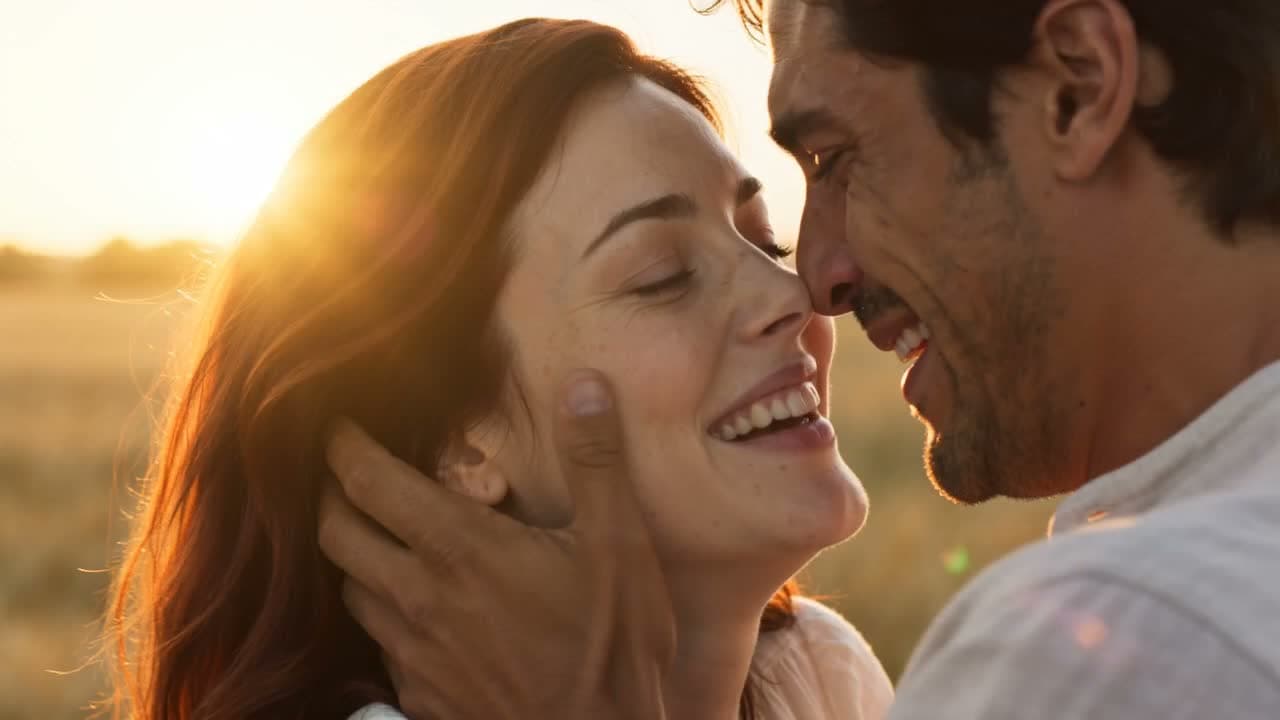
AI Zombie Trend Prompts: How the Reunion Story Works
Understand character roles, identity continuity and the cut to a warm memory, and learn what zombielove’s fixed story can and cannot control.
The reunion story needs more than zombie makeup. It needs two distinct characters, a survivor who recognizes the other, an approach with a clear direction, and a cut into a happy memory. A prompt describes that intention to a video model; it cannot guarantee that every requested gesture or facial detail appears.
Use the fixed story generator →Keep the two characters distinct
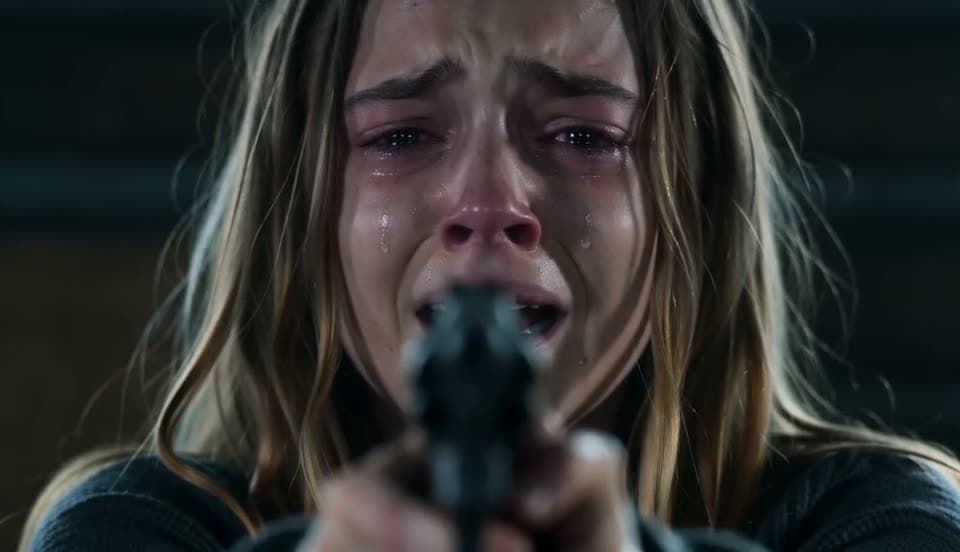
The zombie and the survivor have different jobs. One is already transformed and moves toward the other; the human survivor recognizes someone they love and reacts with grief. If the zombie look spreads to both faces, the choice at the center of the story becomes hard to read.
zombielove binds the two photos to the selected roles and uses a fixed template. Human roles can be swapped in Couple mode. In Pet mode, the cat or dog is always the zombie. Confirm those labels before generating rather than trying to correct a role mistake with a caption afterwards.
A changed face should still be a familiar face
The intended transformation changes surface appearance while preserving the subject’s identity. Facial structure, hair, age and build should remain recognizable across the cold scene and the warm memory. For pets, the corresponding clues include species, ear shape, size and coat markings.
A clear photograph supports that goal. Heavy filters, hidden hair and multiple faces make the reference less useful. Identity instructions are an intention, not an automatic likeness score or a promise that every generated frame will match the source exactly.
The approach and the memory need to connect
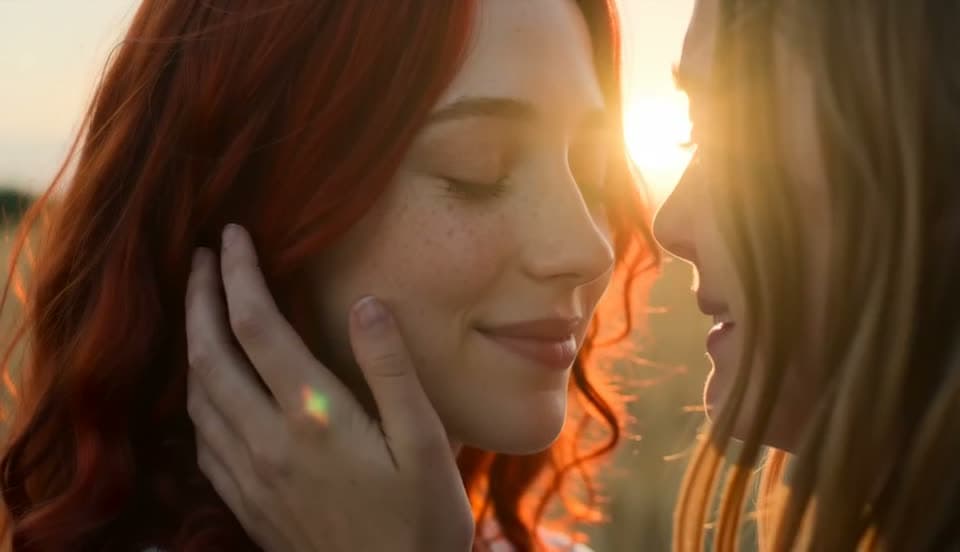
The emotional turn happens just before contact: a threatening approach becomes a healthy embrace or natural pet reunion in an earlier, happy moment. The ending is a memory rather than an on-screen cure. Its light, clothing and environment should read as normal again.
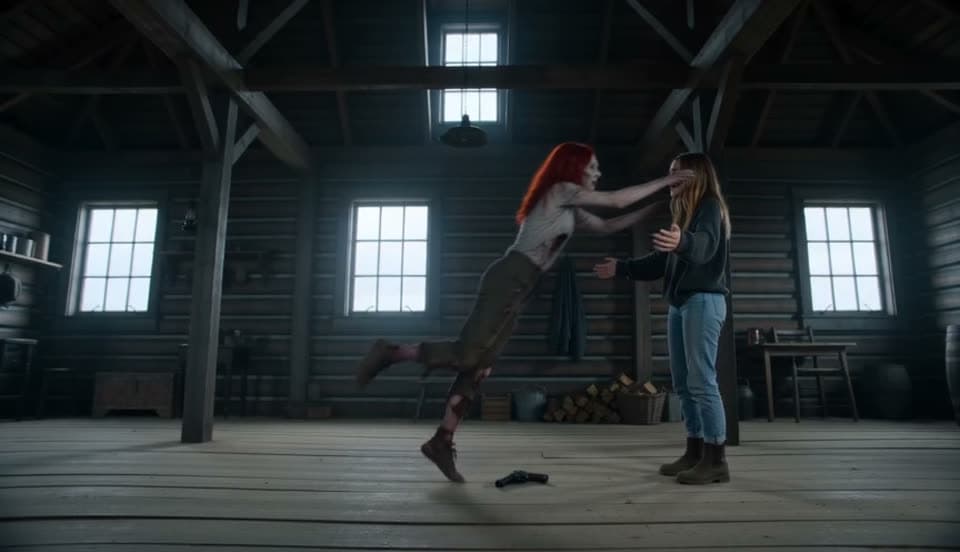
Our current human story is intended to show the survivor lowering and dropping the weapon, opening their arms, the zombie rushing forward, and the cut before injury. Bedroom has a dedicated ending; the other scenes use their own warm counterparts. Precise timing and motion remain dependent on the model.
What you choose in zombielove
You choose the photographs, character roles, scene, quality and frame shape. The generator supplies the story instructions. There is no custom prompt box or manual shot editor, and changing a scene is the supported way to choose a different environment.
All AI generation is accessed through KIE. Seedance 2.0 Mini is the current candidate model; the external reference clips do not demonstrate its quality. A fixed prompt helps define the requested story, but artistic continuity still needs to be checked in the finished film.
Use a short review checklist
Watch once for the cast, once for the action and once with attention to sound. The technical checks used for delivery do not judge whether the faces are close enough or the story is emotionally convincing. Keep those questions separate when you assess your result.
A final failed task releases its reserved credits. If the file completes but you want a different artistic result, a new render is a new paid task and may vary again. Contact support for a problem with your task, and download the version you want to keep before the hosted video expires.
- Are the zombie and survivor assigned to the right photographs?
- Does the survivor stay human throughout the cold scene?
- Does the final memory show the same pair, healthy again?
- Does the movement connect across the cut without obvious fusion?
- Is the audio suitable for the audience and place you will post?